



Scrub Cycles: What You Need To Know

What you need to know about scrub cycles

They’re Actually Important

There are a number of things you need to know when you start to work on a new paint project. Your paint’s scrub rating is one of them, and it matters in nearly every situation. There are a lot of misconceptions around scrub cycles and what ingredients are in your paint products.

Download our guide to choosing the right paint product here!

Scrub cycles are based on the American Society for Testing and Materials ASTM D2486 test. This is the agreed upon scrub test in the paint industry. What this scrub rating number means is how many times your paint can be scrubbed before reaching failure (paint coming off the wall with cleaning, etc.).

To do this test a machine scrubs the surface with a brush and an abrasive compound repeatedly and keeps count of how many times the product is scrubbed before failure. It’s pretty boring, but it’s pretty important too.

 

Scrub cycles are an important factor in choosing the right paint for your project

How They Affect You

What this means to you: the higher the scrub rating of your chosen paint product, the longer it’s lifespan on your walls. If you have a high traffic area, you’re going to want to make sure that product you’re using has a high scrub rating or you can guarantee you’ll be re-painting shortly. Figure out what the lifespan of the project is (or what your client expects in the future) before making a final paint decision. You’ll want to make sure the scrub rating reflects the expectations so nobody is surprised down the road. If you’re going to be applying the product, make sure you buy what was specified instead of flipping it out for something cheaper. It really does matter in the long run.

What Do VOC’s Have To Do With This?

Have you been wondering if VOC’s have anything to do with this? No? Just us? Well, not surprisingly, VOC content does play a role in scrub ratings. Lowering the number of VOCs in your paint products often means lowering your scrub rating. Taking that many ingredients out can weaken the integrity of the paint’s surface. Low VOC’s are great, but weakening the paint ultimately means re-painting and releasing more VOC’s and creating a vicious cycle. Make sure you know which is more important for each job.

 

Pick the right paint product for your scrub rating needs

How To Choose The Right Product

You’ll have to figure out on a case per case basis what product you need based on scrub cycles. If it’s a low traffic area, you can certainly get away with a low VOC and low scrub rating paint. Steady to high traffic areas will need something a little tougher that can hold up the wear and tear and last for your space’s entire lifespan. Make sure you have a conversation with the client and don’t flip the spec.

Download our guide to choosing the right paint product here

Get Your Scrub Rating Guide

Color Of The Month: Sapphire

September’s Color Of The Month: Sapphire

Color Of The Month: Sapphire

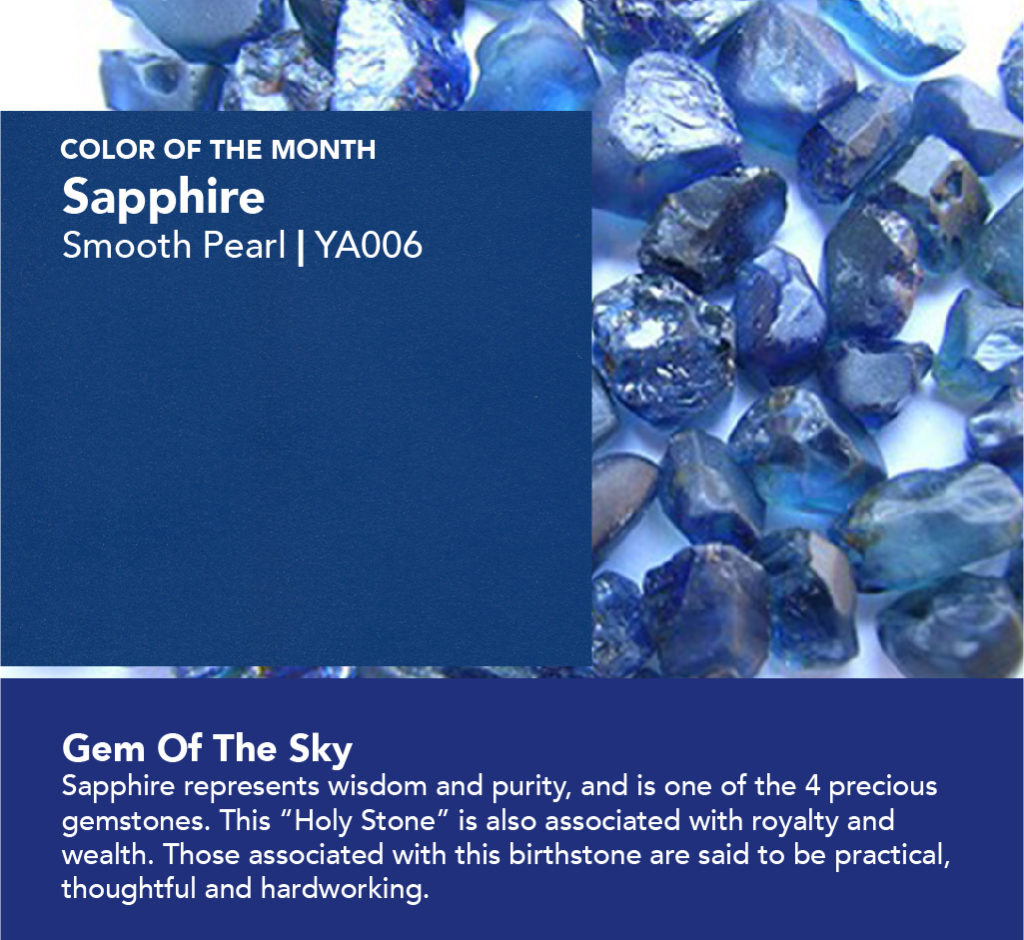
September’s birthstone and Scuffmaster’s Color Of The Month, Sapphire, is not only perfect for your fall palettes with its deep, rich hue, but is known to ward off evil and symbolize wisdom and purity. Use it wisely in your interior designs!

Color Of The Month: Sapphire

Representing wisdom and purity, Sapphire is one of the 4 precious gemstones. This “Holy Stone” is also associated with royalty and wealth. Those associated with this birthstone are said to be practical, thoughtful and hardworking.

Sometimes compared to Lapis Lazuli, Sapphire is known to evoke the power of the deeply mysterious with its rich blue color. It’s said that the sapphire has the brilliance and clarity of depth that extends its illumination down into the soul of anyone who studies it.

Thinking about using Sapphire in your interior designs? Sapphire evokes many properties, including: protecting from negative energies, attracting financial abundance (paint your office this sapphire blue!), promotes mental clarity, evokes feelings of devotion, strengthens integrity and intuition, can clear depression, helps eyesight and bestows wisdom.

Why Specifying Paint Is Important

Toulouse specifying paint
It Just Is

Okay, we’ll elaborate more than that, if you insist. There are so many things to consider when you’re picking paint for your job. We’ve covered it extensively to the point you’re probably wondering why you’re reading another one of our blog posts about specifying paint. But it’s SO IMPORTANT we just can’t emphasize it enough.

Get our Specifying Paint Guide here.

Let’s make this fun. When you’re choosing carpeting for your job, you make sure you pick the grade that’s going to hold up to the traffic that the area experiences. You put a lot of effort into picking just the right commercial flooring and it’s often unnoticed. But if you didn’t put that effort into that decision, and you just chose any cheap flooring… your client, your boss, everyone who sees that space is going to notice. That’s not the attention you want and deserve.

So why wouldn’t you put the same effort into your walls? It’s the same thing. Woah. Crazy, isn’t it? If you chose any paint for those walls, chances are it’s not going to hold up and it’s going to look really crummy, really fast. Again, unwanted attention for that disaster. Avoid this at all costs! You can see more about how to pick the right paint for your space here.

Toulouse specifying paint

Differences In Paint

Paints come in all different shapes and sizes. Well, not really. They pretty much all come in 1 gallon or 5 gallon paint buckets. Maybe that was a bad analogy. Paints come in a variety of formulations, and an infinite amount of colors.

Water based vs. Oil based

Chances are you already know the disadvantages to oil based paints, and at this point with the environment in mind you’re more than likely not using them. We’ll lay out the differences nevertheless. Oil based paints often cover more thoroughly in one coat, shrink less, and take longer to dry allowing you more working time. That being said, oil based paints are more likely to crack, fade and yellow, the fumes are overwhelming and harmful, and the remains must be deposited in hazardous waste collection centers and never poured down a drain.

Water based paint on the other hand doesn’t yellow over time, is much better for the environment, dries faster, is easy to clean up and definitely doesn’t require a special trip to a hazardous waste collection center. We’re team Water Based for sure, how about you?

Toulouse specifying paint

Specifying Paint

When it comes time to specify the paint for your space (we know, more often than not paint is the last thought) make sure you actually specify which paint is right for the space. This way there’s no option for your paint selection to be flipped for a paint of lesser quality when it comes time to do the job. Keep the environment and your product’s impact on it in mind when looking to make you final decision on specifying paint.

Schools, dorms, arenas, hotels, retail outlets, and other busy spaces might be repainting as often as once yearly (or more!). Initially, going with cheaper paints will save money. But if that paints fades, peels, or cannot withstand people traffic, it will need to be regularly repainted (at great expense). Specifying the right paint, however, usually costs only a little more and will not only keep the space looking better longer, it will save time and money in the end. Factor in the reduction in VOCs from eliminating regular repaints and the value of specifying the right paint for the right job becomes clear.

For your P1 areas you’ll want to choose the paint with the best scrub rating and best ingredients, these paints will go the distance required for a P1 and protect those areas for years, saving you, your clients, etc on repainting costs. Not to mention, what a reputation saver! Whew.

Get our guide below to specifying paint.


Get Your Specifying Guide Here